
The information for the following post comes from the Propane Education and Research Council.
Louisiana is the home of the hurricanes. With a quickly approaching hurricane season daunting the citizens of our great state, here are some tips on how to keep your propane system safe for when bad weather bares.
Before, during, and after a flood, there are a few key things to consider to keep your family and your home as safe as possible:
- Create an emergency plan: Work with your family to create a plan in the event of a flood. As part of this effort, post contact information for emergency services and utility companies—including your local propane supplier. You should also post instructions for turning off your propane, electricity, and water. (If you turn off your propane, contact a service technician to inspect your system before turning it back on.)
- Anchor your tank: Large propane tanks should be anchored securely in flood zone areas to avoid potentially dangerous situations. This is required by the National Fire Protection Agency (NFPA). Your propane supplier can determine if and how you should anchor your tank.
- Plan for communications: Keep a battery-powered radio handy, so you always have a way to receive updates on weather conditions. If severe flooding is expected, it’s also smart to charge up your smartphones, so you have an additional tool for communication through a long power outage. Or, consider purchasing a propane generator so you always have reliable power, even during blackouts.
- Inspect damage cautiously: If a flood causes harm to your property, be careful when you assess damage as downed power lines, damaged gas lines, and dislodged propane tanks can lead to dangerous situations. In the dark, use a flashlight instead of candles to avoid combustion in the case of a leak, and never inspect appliances while standing in water.
- If you sense danger, call the experts: Your utility company, fire department, and propane supplier have expert training, and should handle any potentially dangerous situations with your home’s systems. Additionally, if a storm damages your property, it’s a good idea to have a qualified service technician perform a complete inspection of your propane system, to ensure no harmful damage was done.
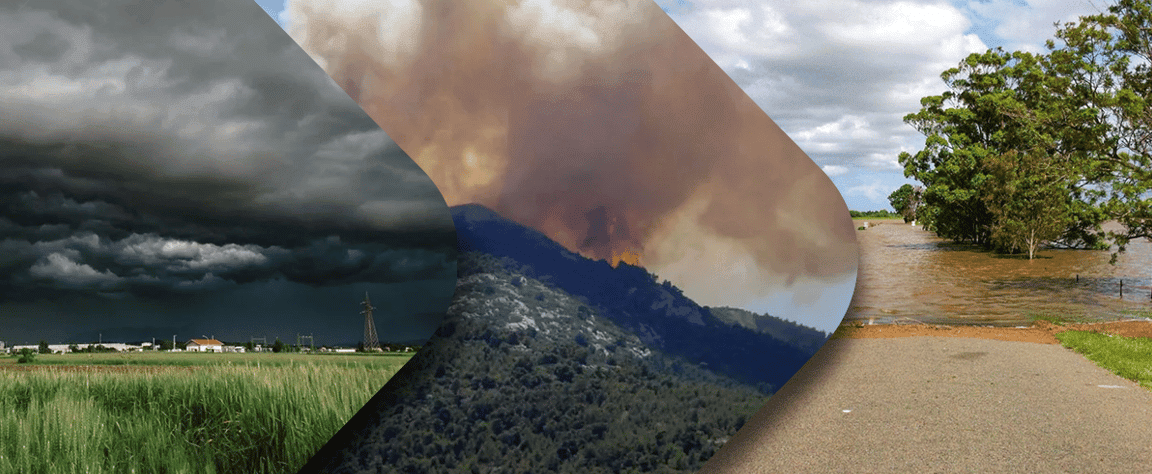
In the case of other severe weather events like tornadoes and wildfires, follow the same set of instructions and prepare for every possibility.
For tornadoes, be sure to install a UL-listed gas detector in preparation for potential damage, which will notify you if a leak ever occurs. Always follow the manufacturer’s instructions when it comes to installation, location, and maintenance.
For wildfires, clear 10 feet of space around your propane tank. A propane grill should be clear of anything combustible or easily ignited, including leaves, brush, vegetation, and rags. More importantly, never store or use a propane cylinder indoors or in an enclosed area such as a basement, garage, shed, or tent.
With these tips and efforts, the safety of your propane, and more importantly your family, is much more secure.